Buildings & HVAC
Buildings and HVAC Monitoring
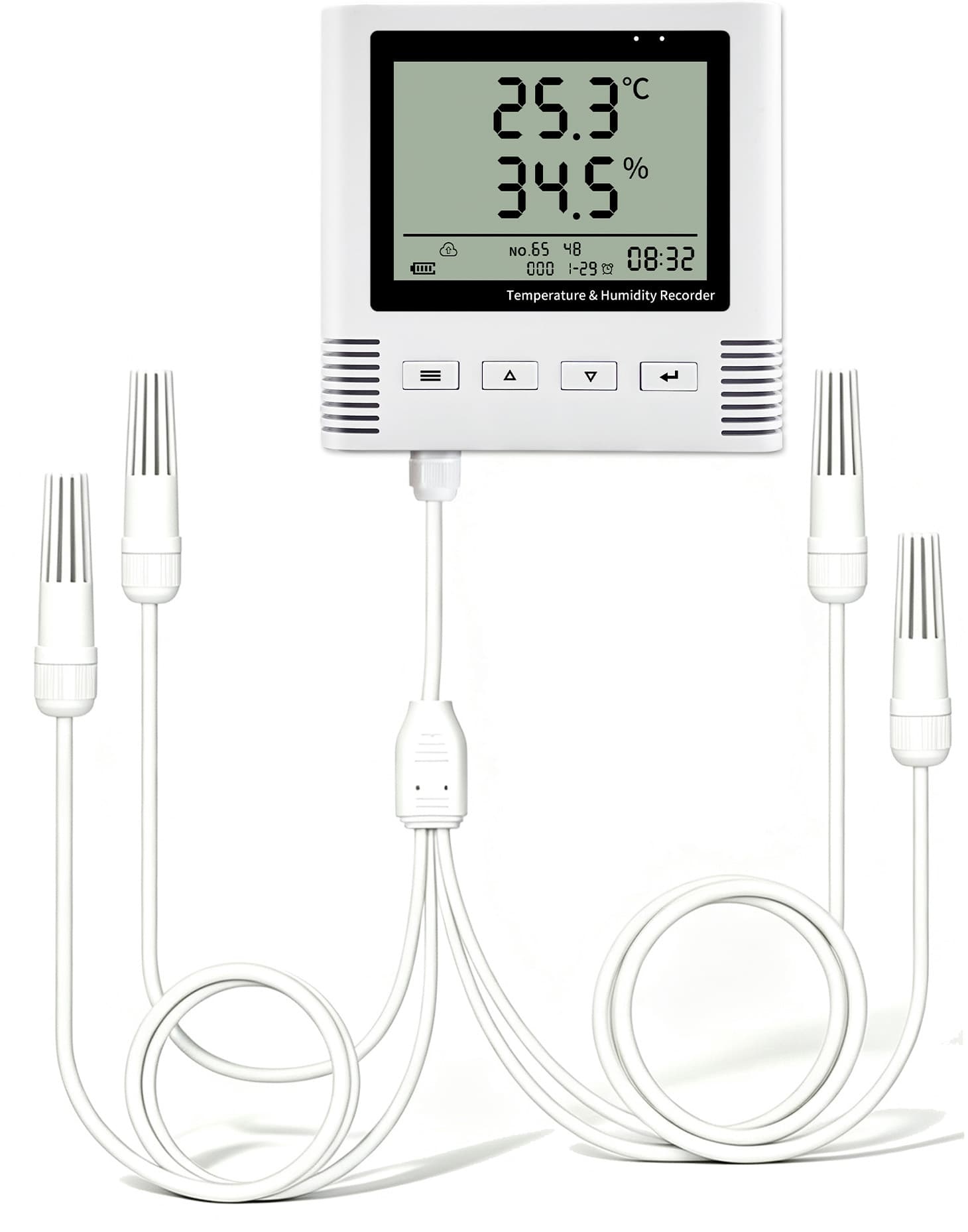
Improve visibility into occupied-space environmental conditions, HVAC equipment operation and remote building-system data using temperature, humidity, pressure, CO₂ and other model-specific sensing options.
Applications
Air-handling and ventilation monitoring; environmental temperature/humidity; duct pressure and differential-pressure instrumentation; pump and fan condition observation; remote building infrastructure monitoring.
Integration
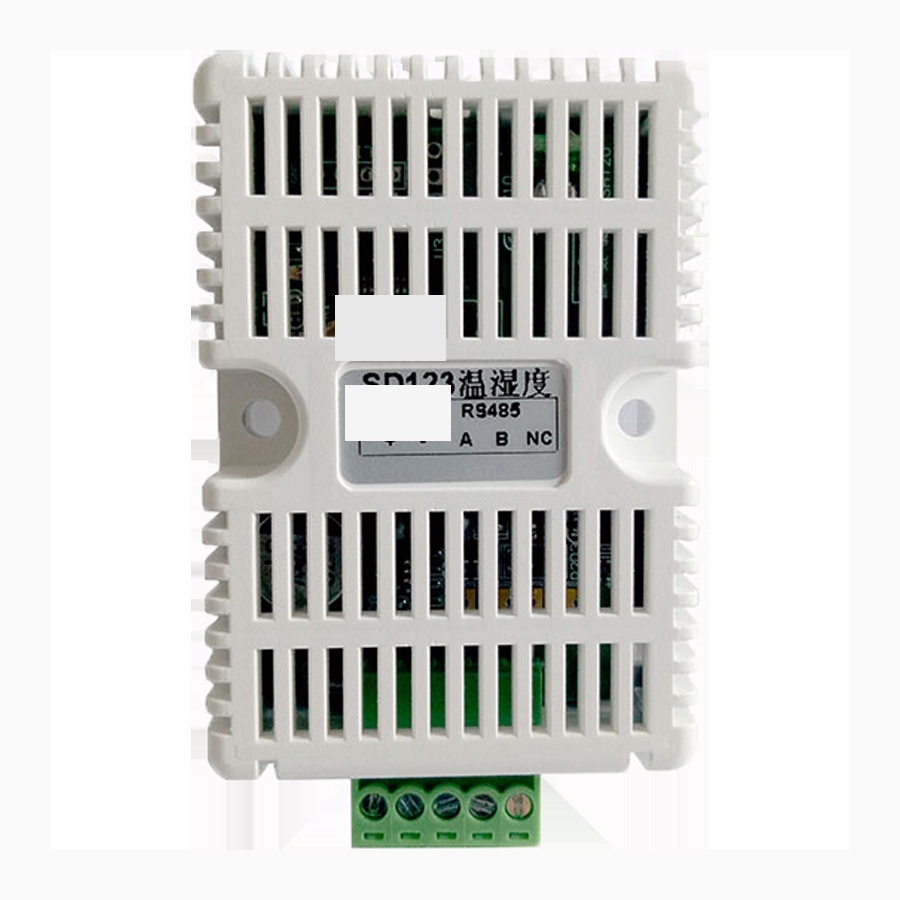
Confirm each sensor variant's supported outputs (such as RS-485 Modbus or analog), power, installation method and building-management-system interface before deployment.
FAQ
Are all outputs available on every model? No. Analog, RS-485, relay and wireless functions may be configuration options.

INDUSTRY OVERVIEW
HVAC and building IoT sensors for environmental monitoring, airflow/pressure, temperature and humidity, fan and pump operation, and building telemetry.
KEY CHALLENGES
- Occupied spaces, air-handling units and plant rooms have different temperature, humidity, CO₂, pressure and air-quality monitoring requirements.
- Sensor placement, airflow, condensation, ambient conditions and maintenance access can affect measurement suitability.
- Building-management systems use different analog, relay and digital interfaces; output availability varies by exact sensor model.
- HVAC equipment monitoring must distinguish environmental sensing from duct pressure, differential pressure and rotating-equipment condition monitoring.
RECOMMENDED SOLUTIONS
- Choose temperature, humidity, CO₂ and air-quality sensors for the monitored space and required measurement range.
- Select duct or differential-pressure instruments separately for airflow and filter/duct monitoring; verify pressure range, connection and installation orientation.
- Confirm whether the selected variant provides RS-485/Modbus, analog or relay output and match it to the BMS or an appropriate acquisition interface.
- Use a compatible gateway for remote telemetry only after confirming power, network coverage, protocol and data mapping.
KEY BENEFITS
- Improve visibility into indoor environmental conditions and selected HVAC operating parameters.
- Support ventilation, comfort and maintenance reviews using recorded measurements.
- Provide a clearer basis for investigating abnormal temperature, humidity, CO₂ or pressure readings.
- Allow integration with building-management systems through model-specific interfaces rather than assuming universal compatibility.
RELATED PRODUCTS